Featured
Table of Contents
The Shifting Video Performance Mandate for 2026
Video marketing in 2026 has actually moved past the period of broad-reach campaigns that focused on sheer volume. Marketing departments now deal with an environment where attention is fragmented across lots of micro-platforms, and the cost of media acquisition needs a more stringent focus on quantifiable returns. Efficiency in 2026 is specified by how well a brand can match a specific innovative asset to a granular audience sector without squandering invest in uninterested audiences. Success in this territory depends on a combination of innovative dexterity and technical precision in information tracking.
The existing year has actually seen a significant modification in how social networks platforms prioritize material. Algorithms no longer just favor high engagement; they focus on "intent-driven interactions." This suggests a video advertisement that generates a purchase or a deep-funnel questions is valued more by the platform than one that merely gets countless passive views. For businesses concentrating on Performance Marketing, the objective is to develop material that works as a bridge between awareness and action. High-production worth remains handy, but credibility and significance have become the primary motorists of return on financial investment (ROI)
AI and Real-Time Advertisement Modification
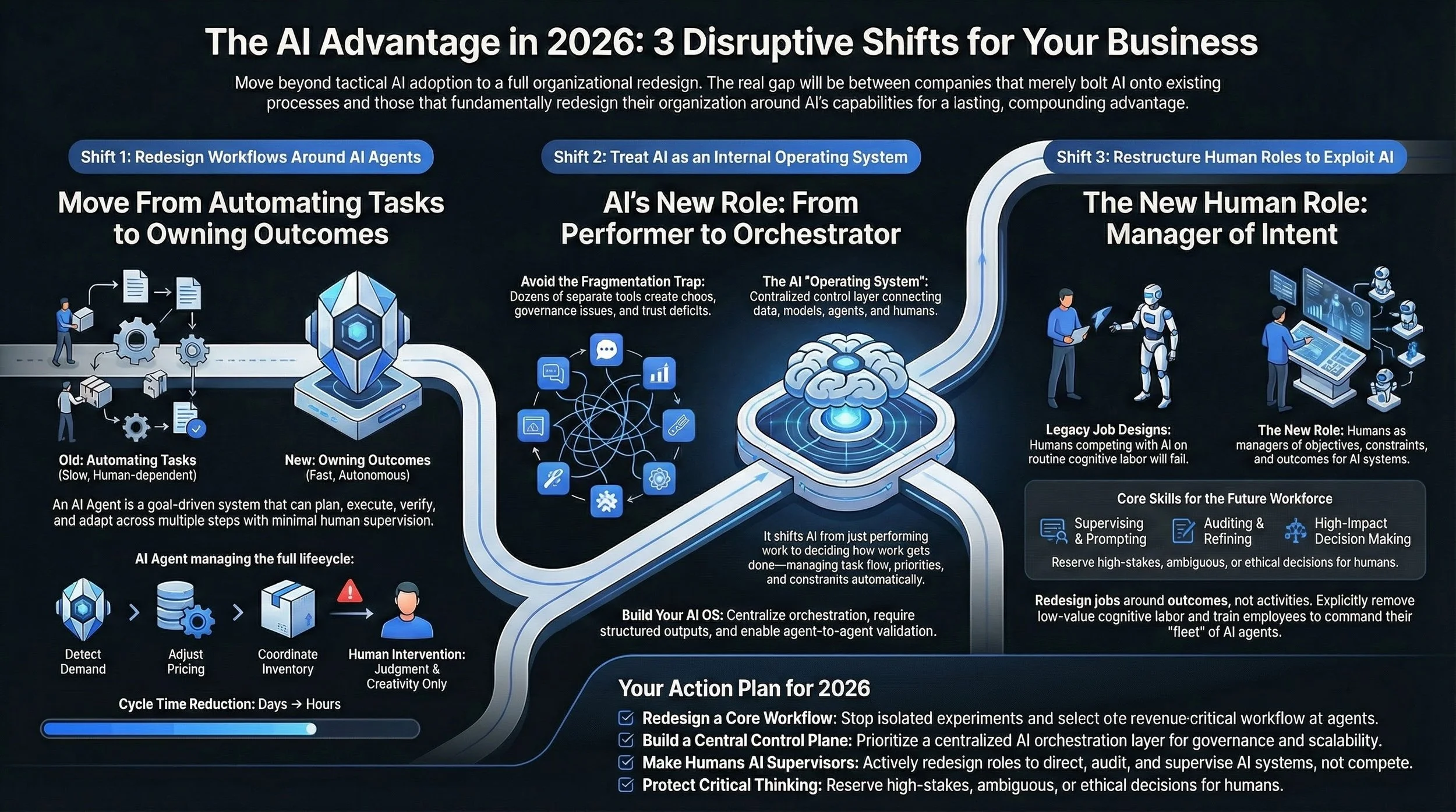
One of the most substantial developments in 2026 is the widespread adoption of real-time AI video generation for ad imaginative. Instead of producing three or four variations of a video, brand names now utilize systems that generate numerous variations based on real-time user information. These systems adjust the background, the representative's language, and even the featured item to match the audience's current search history and choices. This level of personalization makes sure that ad spend is directed towards material that feels native to the user's experience.
Steve Morris, CEO of NEWMEDIA.COM, has often appeared in national organization journals to go over how AI integration is the core of contemporary digital technique. His insights recommend that the most successful brand names in 2026 are those that treat their video properties as modular information points instead of fixed movies. By breaking video down into elements, companies can switch out elements to enhance efficiency without beginning the imaginative procedure from scratch. This modularity is a need for maintaining effectiveness in a fast-moving market where consumer interests change in a matter of hours.
Performance is further boosted by platforms like RankOS, which offers exposure into how these video assets perform within the more comprehensive search environment. In 2026, a video ad isn't simply a social post; it is a searchable piece of material that appears in AI-generated answers and conventional search outcomes. Making sure that video metadata is enhanced for Generative Engine Optimization (GEO) is now a basic part of any Performance Marketing strategy.
Measuring Genuine Value Beyond Engagement
The metrics utilized to define success have actually undergone a total overhaul. In previous years, online marketers may have focused on "likes" or "shares," but in 2026, these are thought about "vanity metrics" with little connection to the balance sheet. Effectiveness is now measured through "Contribution to Margin" and "Consumer Acquisition Expense (CAC) per Video View." This shift requires a tighter integration in between social media groups and information analysts.
Data-Driven Performance Marketing Services offers a clearer image of user intent by tracking how an audience moves from a 15-second clip to a final deal. Attribution models in 2026 have actually become advanced enough to track "view-through conversions" throughout numerous devices, even in an environment where traditional cookies no longer exist. This enable brands to see the true impact of their video spend, even if the user doesn't click the ad instantly.
For brands running in competitive markets like New York City, LA, or other major hubs, the competition for advertisement space is strong. This makes every portion point of performance essential. High-performing campaigns frequently utilize "predictive ROI" modeling, where AI simulates how an ad will carry out before a single dollar is spent. This lowers the danger related to checking new creative concepts and permits more aggressive scaling of winning possessions.
Video Optimization for Generative Engines
As search engines transition into response engines, the way video is indexed has actually altered. In 2026, AI search tools don't just discover videos; they "see" them to draw out details. If a user asks an AI assistant for a tutorial or a product recommendation, the AI might pull a specific 10-second sector from a longer brand video to provide the response. This has actually produced a new requirement for video production: the requirement for "scannable" material.
Marketing teams must now ensure that their video scripts contain the particular keywords and phrases that AI scrapers try to find. This isn't almost SEO in the old sense; it has to do with making the content readable for machine knowing designs. Services significantly rely on Performance Marketing for Brand Growth to guarantee their video material remains noticeable in these brand-new AI-driven search engine result. Without this technical layer, even the most beautiful video ad will fail to reach its complete potential since it will not be indexed correctly by the engines that now control the flow of information.
The combination of AI Browse Optimization (AEO) into video strategy is no longer optional. When a brand produces a video for social networks, they are also producing a piece of data for the AI engines. This dual-purpose material development is a trademark of performance in 2026. It allows one imaginative investment to serve multiple channels, from TikTok and Instagram to Google and specialized AI search interfaces.
Regional Advertisement Efficiency and Strategic Invest
Location continues to play a major function in how video advertisements are consumed and how much they cost. Advertisement rates in Nashville, Dallas, or Atlanta can differ wildly based on local events, seasonality, and local competition. Smart marketers in 2026 use location-based information to move their spending plans in real-time. If engagement in Miami is peaking while interest in Chicago is dipping, the budget plan moves instantly to follow the attention. This makes sure that the Performance Marketing is constantly working where it has the highest likelihood of success.
This localized technique extends to the imaginative itself. Utilizing AI, a brand can automatically upgrade the voiceover in a video to match a regional accent or point out a regional landmark. These little touches substantially increase the resonance of the advertisement, resulting in much better conversion rates. It is no longer enough to run a national project and wish for the finest; the most efficient invest is hyper-local, even for global brands.
Efficiency also originates from choosing the ideal format for the best platform. While short-form video continues to dominate platforms like TikTok, 2026 has seen a resurgence in mid-form video (2 to 5 minutes) on platforms like LinkedIn and YouTube. Customers are becoming more ready to see longer content if it provides authentic value or education. The secret is to match the video length to the user's existing state of mind. A user on a lunch break might want a 15-second burst, while an expert investigating a brand-new software solution in a specific market might choose a 3-minute deep dive.
Preserving the Edge in a Shifting Environment
The pursuit of efficiency is an ongoing procedure of testing, discovering, and adapting. The brands that are winning in 2026 are those that have actually taken apart the silos between their creative, technical, and analytical groups. When the person making the video understands how the RankOS platform tracks exposure, and the data analyst comprehends the nuances of the innovative short, the resulting projects are even more efficient.
The 2026 landscape needs a mix of human imagination and machine-driven precision. While AI can handle the optimization and a few of the production, the core strategy need to still be driven by a deep understanding of human psychology. Steve Morris often points out that while the tools change, the essential desire for a connection with a brand does not. The most efficient advertisements are those that use innovation to make that connection feel more individual, more timely, and more helpful to the customer. By concentrating on these principles, businesses can make sure that their advertisement spend is a financial investment in growth rather than a simple cost.

Latest Posts
Top PR Shifts to Watch in 2026
Why Public Relations Drives SEO and Trust
Key Brand Strategy Frameworks for 2026